Category: Chartering Our Future

ශ්‍රී ලංකාව අවදානමට ලක් කිරීම: ජාතික අවශ්‍යතා පාවා දෙන රහස් ආරක්ෂක ගිවිසුම් 0

ශ්‍රී ලංකාව අවදානමට ලක් කිරීම: ජාතික අවශ්‍යතා පාවා දෙන රහස් ආරක්ෂක ගිවිසුම්

ඉන්දියානු සාගරයේ ශ්‍රී ලංකාවේ උපායමාර්ගික පිහිටීම සැමවිටම එය කලාපීය හා ගෝලීය වශයෙන් වැදගත්. අගමැතිනි සිරිමාවෝ බණ්ඩාරනායක වැනි අතීත නායකයින් විනිවිද පෙනෙන, නොබැඳි ප්‍රතිපත්ති තුළින් ස්වෛරීභාවය ආරක්ෂා කළහ. අද වන විට, අනුප්‍රාප්තික පරිපාලන හරහා රහසිගත...

0

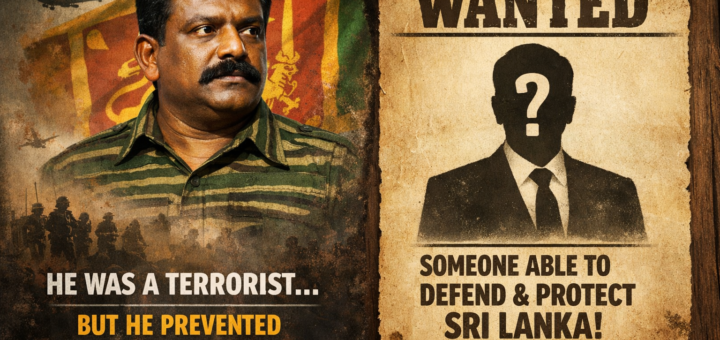
Foreign Intervention: How Terror ended with Prabakaran and Political Subservience Began

Two dates that changed Sri Lanka’s destiny. Two moments in Velupillai Prabakaran’s political evolution deserve serious reflection. The first date was 22 May 1972, the day Sri Lanka adopted its Republican Constitution—it was the very same...

0

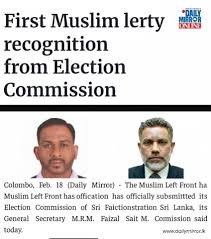
Registering the ‘Muslim Left Front’: The Danger of a New Ethnic Party threatening Sri Lanka’s Unity”

  Sri Lanka’s media has reported on the application by the Muslim Left Front for registration with the Election Commission. A careful review of historical, regional, and global patterns shows that political parties — when built...

0

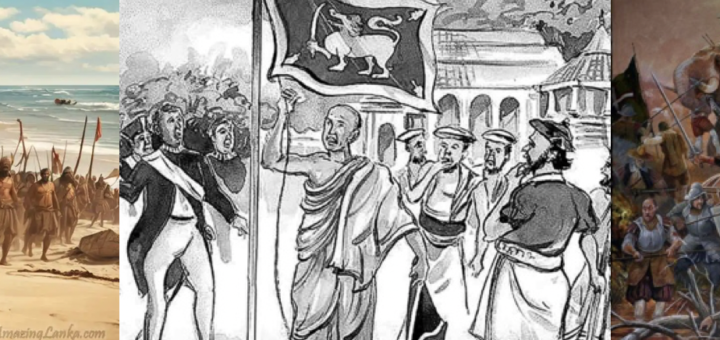
Sri Lanka’s Historical Weaknesses: Lessons from Invasions, Colonial Rule, and Modern Interventions

  Sri Lanka’s history is not a relic of the past — it is the strategic memory of a civilization. To distort, suppress, dilute, or rewrite it is not academic freedom; it is civilizational...

0

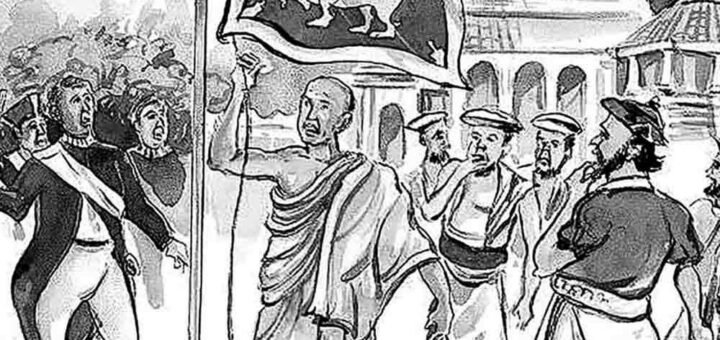
Colonial Divide & Rule in Sri Lanka — How the British Weaponized Race, Education & Political Engineering

British Entry into Sri Lanka — Strategic Context (1795–1796) The British did not enter Sri Lanka as liberators or protectors of indigenous sovereignty.   They entered as a hostile imperial power exploiting European war dynamics,...

0

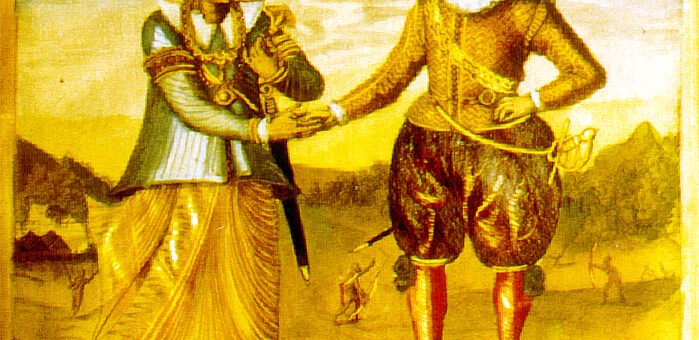
Colonial Divide & Rule in Sri Lanka — How the Dutch Legalized Racial Separation & Institutionalized Communal Fragmentation

    Before European intervention, Sri Lanka’s people lived under a civilizational order that was not structured around rigid racial majorities and minorities. Indigenous social organization was shaped by: Buddhist cultural traditions Buddhist-based royal rule Agrarian...