SRI LANKA’S ECONOMIC DEBACLE – FROM INDEPENDENCE TO 2027 HOW DID WE GET HERE?
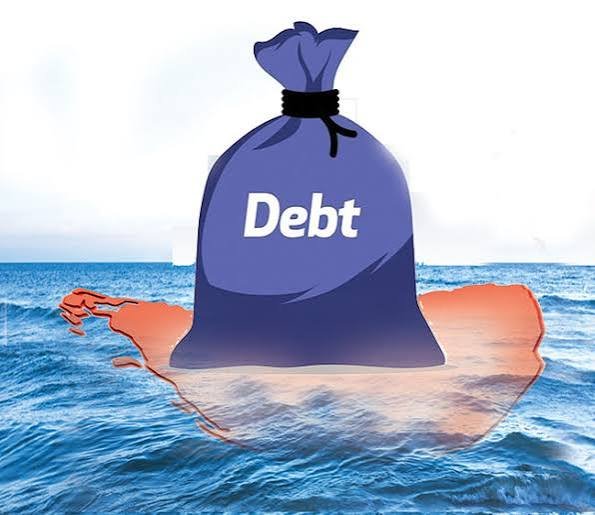
Imagine Sri Lanka as a family.
The family has to:
- FEED THE FAMILY
- PAY THE BILLS
- EDUCATE THE CHILDREN
- BUILD THE HOUSE
- HANDLE EMERGENCIES
- REPAY LOANS
If spending is greater than income, there are only three choices:
- SPEND LESS
- EARN MORE
- BORROW
What if the family decides to borrow?
If the family borrows Rs.10 million to build a factory that earns money every year, the borrowing may help create future income.
But if it borrows Rs.10 million simply to pay today’s bills:
THE BILLS ARE STILL THERE.
THE DEBT REMAINS.
This is important to understanding what happened to Sri Lanka.
SRI LANKA NEEDS DOLLARS
Sri Lanka can print rupees.
SRI LANKA CANNOT PRINT US DOLLARS.
Sri Lanka needs dollars to pay for:
- FUEL
- MEDICINE
- MACHINERY
- FERTILISER
- TECHNOLOGY
- OTHER IMPORTS
and to meet foreign-currency debt obligations.
Let us assume Sri Lanka has a: DOLLAR TANK
DOLLARS COME IN FROM:
- EXPORTS
- TOURISM
- REMITTANCES
- FOREIGN INVESTMENT
- FOREIGN BORROWING
DOLLARS GO OUT FOR:
- IMPORTS
- FUEL
- MEDICINE
- MACHINERY
- FOREIGN DEBT
- INTEREST
If more dollars leave than enter:
THE DOLLAR TANK FALLS.
This is the second key idea we need to understand.
Sri Lanka does not only need enough rupees.
It needs enough foreign exchange to pay for what it cannot pay for in rupees.
BUT THERE ARE TWO DIFFERENT MONEY PROBLEMS
Sri Lanka has:
- A GOVERNMENT BUDGET PROBLEM
The Government collects:
TAXES + OTHER REVENUE
and spends on:
SALARIES + PENSIONS + HEALTH + EDUCATION + DEFENCE + INFRASTRUCTURE + OTHER SERVICES
If government spending is greater than government revenue:
THERE IS A BUDGET DEFICIT
The Government must then finance that gap.
It can borrow in the domestic market, borrow externally, or use other forms of financing.
- A FOREIGN-EXCHANGE PROBLEM
The country as a whole needs dollars to pay for:
IMPORTS + FOREIGN DEBT + INTEREST
If dollars earned from exports, tourism, remittances and other inflows are not enough:
A FOREIGN-EXCHANGE GAP IS CREATED
The two problems are connected.
But they are not the same problem.
A country can have enough rupees and still not have enough dollars.
That distinction is essential to understanding the 2022 crisis.
1948–1977
BUILDING THE COUNTRY
At independence, Sri Lanka earned foreign exchange mainly from:
- TEA
- RUBBER
- COCONUT
The country also built:
- FREE EDUCATION
- FREE HEALTHCARE
- AGRICULTURE
- INDUSTRIES
- PUBLIC SERVICES
- INFRASTRUCTURE
Governments also tried to increase food production and domestic industries.
But Sri Lanka still needed to import:
- FUEL
- MACHINERY
- FERTILISER
- RAW MATERIALS
- TECHNOLOGY
So even when Sri Lanka tried to become more self-sufficient:
WE STILL NEEDED FOREIGN EXCHANGE TO IMPORT.
And this became a long-term challenge:
THE COUNTRY’S NEEDS GREW FASTER THAN ITS ABILITY TO EARN FOREIGN EXCHANGE.
Sri Lanka needed development.
Development required imports.
Imports required dollars.
Therefore:
DEVELOPMENT REQUIRED FOREIGN EXCHANGE.
1971–2009
THE COUNTRY HAD TO DEVELOP AND SURVIVE
Sri Lanka was not developing under normal conditions.
It faced:
- 1971 INSURGENCY
- 1983–2009 ARMED CONFLICT AND TERRORISM
- 2004 TSUNAMI
- FLOODS
- DROUGHTS
- OTHER DISASTERS including political interventions
and later:
ISLAMIST TERRORISM
These crises required money for:
- DEFENCE
- SECURITY
- RECONSTRUCTION
- PUBLIC SERVICES
- INFRASTRUCTURE
The long armed conflict also imposed economic costs through government expenditure, destruction, disruption of production and investment, and loss of physical and human capital.
The 2004 tsunami caused around US$1 billion in direct asset damage.
Sri Lanka was trying to do two things at once:
BUILD THE COUNTRY
while also:
SURVIVING CRISES.
This matters.
Money that could have been used entirely for development also had to be used for:
- ARMED CONFLICT/TERRORISM
- SECURITY
- DISASTER RESPONSE
- RECONSTRUCTION
When government income was insufficient:
BORROWING FILLED THE GAP.
WHAT DID THE BORROWED MONEY ACTUALLY PRODUCE?
Did it:
CREATE FUTURE INCOME?
SAVE FOREIGN EXCHANGE?
EARN FOREIGN EXCHANGE?
or did it mainly:
PAY EXISTING EXPENSES?
PAY OLD DEBT?
That distinction is important to understand what happened to Sri Lanka.
1977
THE ECONOMY OPENS
Sri Lanka changed economic direction and opened the economy.
This brought:
- NEW INVESTMENT
- NEW TRADE
- NEW BUSINESS
- MORE IMPORTS
- MORE ECONOMIC ACTIVITY
Opening the economy was not itself the problem.
But an open economy also meant greater access to imported:
- FUEL
- MACHINERY
- RAW MATERIALS
- CONSUMER GOODS
- and other products.
And imports require:
DOLLARS.
The central challenge became:
COULD SRI LANKA EARN ENOUGH FOREIGN EXCHANGE TO PAY FOR THE IMPORTS IT NEEDED?
But Sri Lanka’s foreign-exchange earnings did not grow sufficiently to remove the underlying external financing problem.
That created a gap:
- IMPORT NEEDS
- DOLLARS NEEDED
- DOLLARS EARNED WERE NOT ALWAYS ENOUGH
- GAP
There were two ways to close that gap:
EARN MORE DOLLARS
or:
BORROW DOLLARS.
Borrowing was often easier and faster than transforming the economy enough to generate substantially more foreign exchange.
And that created a dangerous habit:
WHEN THE DOLLARS WERE NOT ENOUGH, BORROWING COULD FILL THE GAP.
But borrowed dollars eventually had to be returned.
HOW BORROWING BECAME A CYCLE
Imagine the family again.
The family earns Rs.1 million.
But its expenses are Rs.1.2 million.
It borrows Rs.200,000.
Next year the family still has the same problem.
But now it also has to repay part of the old borrowing as well as pay interest.
So the new gap becomes larger. Compounding matters further was when more rupees are need to pay for the dollars.
If income does not increase enough:
BORROWING CONTINUES.
Sri Lanka faced a similar problem.
Government revenue was often insufficient for government spending.
At the same time, the country needed foreign exchange for imports and foreign obligations.
Borrowing increasingly became part of the solution to both financing gaps.
The problem was not simply:
“Sri Lanka borrowed.”
The problem was:
BORROWING BECAME A RECURRING WAY OF FINANCING GAPS THAT WERE NOT BEING PERMANENTLY CLOSED.
2007 ONWARDS
BORROWING FROM INTERNATIONAL MARKETS
In 2007 Sri Lanka issued its first:
US$500 MILLION INTERNATIONAL SOVEREIGN BOND.
The proceeds were intended to finance infrastructure projects.
This was different from borrowing only through traditional development financing.
Sri Lanka increasingly accessed international capital markets through commercial borrowing.
These loans and bonds had to be repaid.
And because they were foreign-currency obligations:
THE DEBT HAD TO BE SERVICED IN FOREIGN CURRENCY.
Sri Lanka therefore needed dollars from:
- EXPORTS
- TOURISM
- REMITTANCES
- INVESTMENT
- OTHER FOREIGN EARNINGS
to meet:
IMPORTS + DEBT + INTEREST.
If foreign-currency debt grows faster than foreign-currency earnings:
THE FUTURE DOLLAR BILL GETS BIGGER.
And when the country does not generate enough new dollars:
NEW BORROWING CAN BE USED TO HELP MEET OLD OBLIGATIONS.
That can create a cycle:
- DOLLAR GAP
- BORROW
- DEBT + INTEREST
- LARGER FUTURE DOLLAR NEED
- DOLLAR EARNINGS STILL NOT ENOUGH
- BORROW AGAIN
This is how borrowing can move from being a tool for development to becoming a way of continuously financing a structural gap.
NO LOAN COMES WITH A FREE LUNCH
Foreign financing is never “free money.”
Loans come with:
- INTEREST
- REPAYMENT DATES
- CONDITIONS
and sometimes requirements on where, what and from whom goods or services are purchased.
Some tied or concessional financing can therefore limit Sri Lanka’s choices, while procurement arrangements may result in goods being sourced at prices or quality levels that do not necessarily serve Sri Lanka’s best interests.
When this involves:
- MEDICINE
- FOOD
- FERTILISER
- EQUIPMENT
- or other essentials,
the consequences impact the citizens.
Example loans requiring Sri Lanka purchases low quality medications that impact the health of Sri Lankan citizens.
THE COST OF THE LOAN CAN END UP BEING PAID BY SOCIETY.
Every loan must be examined not only by:
HOW MUCH MONEY SRI LANKA RECEIVES
but also:
- WHAT ARE THE CONDITIONS?
- WHAT MUST SRI LANKA BUY?
- AT WHAT PRICE?
- OF WHAT QUALITY?
- AND WHO ULTIMATELY PAYS THE COST?
Is helps deduce whether the loan is actually worth the conditions!
BUT WHY DIDN’T SRI LANKA SIMPLY EARN MORE?
This is one of the most important questions we should ask.
Sri Lanka did earn foreign exchange.
It had:
- TEA
- RUBBER
- GARMENTS
- TOURISM
- WORKER REMITTANCES
- OTHER EXPORTS AND SERVICES
But the problem was not that Sri Lanka earned nothing.
The problem was that the economy did not generate enough foreign exchange, consistently enough, to cover its growing needs and obligations.
Several structural weaknesses contributed to this.
Sri Lanka faced problems involving:
- LOW PRODUCTIVITY
- WEAK EXPORT DIVERSIFICATION
- A RESTRICTIVE TRADE ENVIRONMENT AT DIFFERENT PERIODS
- WEAK INVESTMENT CONDITIONS
- POLICY INSTABILITY
- LOW GOVERNMENT REVENUE
- HIGH FISCAL DEFICITS
- RISING DEBT
These weaknesses meant:
THE COUNTRY COULD CONSUME AND SPEND FASTER THAN IT COULD BUILD A STRONG, DOLLAR-EARNING ECONOMY.
So the solution was never simply:
“GET ANOTHER LOAN.”
The deeper solution had to be:
- PRODUCE MORE
- BECOME MORE COMPETITIVE
- EXPORT MORE
- EARN MORE DOLLARS
THE FIVE-YEAR PROBLEM
A government coming into power has only a few years to show results, but major economic transformation takes much longer.
Building new industries, export markets and dollar-earning sectors may require years before the benefits appear. The political problem is that the government that starts the difficult reforms may not be the government that receives the dividends. This can discourage long-term decisions and encourage short-term fixes — leaving each new government to inherit the same structural problem.
WHO WAS MAKING THESE DECISIONS?
This was not the decision of one person.
Different Sri Lankan institutions had different responsibilities.
- GOVERNMENTS
Successive governments made decisions about:
WHAT TO SPEND
WHAT TO TAX
WHAT TO BORROW
WHAT TO IMPORT
WHAT PROJECTS TO BUILD
WHAT ECONOMIC POLICIES TO FOLLOW
Government decisions therefore directly affected:
REVENUE
SPENDING
DEFICITS
DEBT
IMPORTS
FOREIGN EXCHANGE
Different governments made different choices at different times.
Therefore the story cannot honestly be reduced to:
ONE GOVERNMENT CAUSED EVERYTHING.
The correct question is:
WHICH GOVERNMENT MADE WHICH DECISION, WHEN, AND WHAT DID THAT DECISION PRODUCE?
- PARLIAMENT
Parliament is part of the country’s fiscal system.
It approves:
BUDGETS
TAX MEASURES
and provides the parliamentary framework for government borrowing and expenditure.
Therefore Parliament cannot be treated as completely separate from the country’s fiscal decisions.
But individual citizens should not be confused with the institutions that made those decisions.
- CENTRAL BANK
The Central Bank managed important parts of:
MONEY
INTEREST RATES
FOREIGN EXCHANGE
RESERVES
MONETARY POLICY
Its decisions affected:
THE RUPEE
INFLATION
CREDIT
FOREIGN EXCHANGE
RESERVES
The Central Bank and the Government have different responsibilities.
But their decisions interact.
For example:
GOVERNMENT DEFICITS
can create financing needs.
How those needs are financed can affect:
MONEY SUPPLY
INFLATION
INTEREST RATES
EXCHANGE RATE
and ultimately:
FOREIGN EXCHANGE RESERVES.
This is why the fiscal and monetary sides of the crisis cannot be examined completely separately.
- TREASURY AND STATE INSTITUTIONS
The Treasury, ministries and state-owned enterprises:
COLLECTED REVENUE
SPENT MONEY
IMPLEMENTED PROJECTS
PROVIDED SERVICES
MANAGED STATE ACTIVITIES
Their performance therefore affected:
GOVERNMENT FINANCES
and:
THE WIDER ECONOMY.
Where state institutions lost money or required repeated government support, the burden ultimately affected public finances.
- BUSINESSES AND CITIZENS
Businesses and citizens are also part of the economy.
They:
PRODUCE
CONSUME
IMPORT
INVEST
BORROW
PAY TAXES
CREATE JOBS
Their activity affects:
TAX REVENUE
IMPORT DEMAND
EMPLOYMENT
PRODUCTION
FOREIGN EXCHANGE
But there is an important distinction:
ORDINARY CITIZENS DID NOT DECIDE HOW MUCH THE GOVERNMENT BORROWED.
They ultimately experienced the consequences of those decisions.
THE INTERNATIONAL PLAYERS
Sri Lanka was also part of an international financial system.
Different international players performed different roles.
IMF Provided:
- BALANCE-OF-PAYMENTS FINANCING
- ECONOMIC PROGRAMMES
- POLICY SUPPORT
with conditions attached to its programmes.
WORLD BANK AND ADB Provided:
- DEVELOPMENT FINANCING
- PROJECT FINANCING
- POLICY SUPPORT
FOREIGN GOVERNMENTS Provided:
- BILATERAL LOANS
- GRANTS
- PROJECT FINANCING
COMMERCIAL BANKS AND INVESTORS Provided:
- COMMERCIAL LOANS
- BOND FINANCING
- INVESTMENT
expecting repayment and/or returns.
FOREIGN COMPANIES Participated through:
- TRADE
- INVESTMENT
- SUPPLY OF GOODS AND SERVICES
These are not all the same thing.
An IMF programme is not the same as a commercial bond.
A development loan is not the same as foreign investment.
A bilateral loan is not the same as a private bank loan.
Each has different:
- TERMS
- INTEREST
- MATURITY
- CONDITIONS
- RISKS
Therefore every major foreign borrowing decision should be examined by asking:
- WHAT DID SRI LANKA RECEIVE?
- WHAT DID IT COST?
- WHAT WERE THE TERMS?
- WHO SUPPLIED IT?
- WHO BENEFITED?
- DID IT CREATE INCOME?
- DID IT EARN OR SAVE DOLLARS?
- HOW WOULD IT BE REPAID?
THE MOST IMPORTANT QUESTION ABOUT BORROWING
Borrowing becomes dangerous when it repeatedly solves today’s problem by creating tomorrow’s bill.
For example:
- BORROW US$1 BILLION
- SPEND IT
- THE US$1 BILLION IS GONE
- BUT THE DEBT REMAINS
- INTEREST MUST BE PAID
- THE PRINCIPAL MUST EVENTUALLY BE REPAID
If the borrowing created an export factory, energy project, productive industry or another activity that generated future income or saved foreign exchange, repayment may become easier.
But if borrowing mainly financed existing expenses:
THE MONEY IS GONE
while:
THE DEBT REMAINS.
“WHAT DID THE BORROWED MONEY PRODUCE?”
is so important.
2019–2022
THE FINAL BREAKDOWN
By this point Sri Lanka already had serious vulnerabilities:
- HIGH DEBT
- HIGH FINANCING NEEDS
- LOW GOVERNMENT REVENUE
- LARGE FOREIGN-CURRENCY OBLIGATIONS
- WEAK FOREIGN-EXCHANGE BUFFERS
The system was vulnerable.
Then several shocks arrived.
2019 — EASTER ATTACKS
Tourism was badly affected.
Tourism is important because tourists bring:
FOREIGN CURRENCY.
So the country lost an important source of dollars just when it needed them.
2019 — TAX CUTS
Major tax reductions weakened government revenue.
That meant:
LESS GOVERNMENT INCOME
while many government expenses remained.
Therefore:
- LARGER FISCAL GAP
- GREATER FINANCING NEED
COVID-19
Then COVID-19 hit the world.
Tourism collapsed.
Economic activity fell.
Foreign exchange earnings were affected.
Businesses were disrupted.
Workers lost income.
The world itself was experiencing a major economic shock.
Sri Lanka therefore entered the next stage with an economy already carrying major weaknesses.
2020
THE ESCAPE ROUTE CLOSED
This was a critical turning point.
Sri Lanka lost access to international financial markets.
Why does that matter?
Because for years, when Sri Lanka had a foreign-exchange gap, it could seek additional foreign financing.
Now that option became much harder.
Imagine the dollar tank again.
Previously:
DOLLARS RUN LOW
BORROW MORE DOLLARS
But after access to international markets was lost:
- DOLLARS RUN LOW
- CANNOT EASILY BORROW MORE
- OLD DEBT STILL HAS TO BE SERVICED
- RESERVES FALL
This is why 2020–22 was different.
The old weaknesses had existed for years.
But now:
THE BORROWING ESCAPE ROUTE WAS CLOSING.
2021–2022
THE DOLLAR TANK RUNS DRY
Sri Lanka still had to pay for:
- FUEL
- MEDICINE
- FOOD
- FERTILISER
- MACHINERY
- OTHER IMPORTS
and meet foreign debt obligations.
But dollars were becoming increasingly scarce.
Official reserves fell dramatically.
By April 2022 they were below:
US$400 MILLION
Now the problem became physical.
A country cannot import something if it cannot pay the foreign supplier.
Therefore:
- NO DOLLARS
- CANNOT PAY IMPORTERS
- CANNOT BRING IN ENOUGH FUEL
- CANNOT BRING IN ENOUGH MEDICINE
- CANNOT BRING IN ENOUGH COOKING GAS
- CANNOT BRING IN ENOUGH RAW MATERIALS
And when factories cannot obtain fuel, machinery parts or raw materials:
PRODUCTION FALLS.
When transport cannot obtain fuel:
TRANSPORT IS DISRUPTED.
When production falls:
BUSINESSES SUFFER.
When businesses suffer:
JOBS AND INCOMES SUFFER.
So the dollar shortage did not remain a financial problem.
IT BECAME A DAILY LIFE PROBLEM.
THEN THE RUPEE FELL
When dollars become scarce:
DOLLARS BECOME MORE EXPENSIVE.
That puts pressure on the rupee.
For example:
If:
US$1 = Rs.200
and later:
US$1 = Rs.400
a US$1 billion debt is still:
US$1 BILLION
But its rupee value has increased from:
Rs.200 BILLION
to:
Rs.400 BILLION.
Therefore:
A WEAKER RUPEE MAKES FOREIGN-CURRENCY OBLIGATIONS MORE EXPENSIVE IN RUPEE TERMS.
It also makes imported:
FUEL
MEDICINE
FOOD
MACHINERY
and other goods more expensive in rupees.
That pushes prices higher.
So the chain becomes:
- DOLLAR SHORTAGE
- RUPEE PRESSURE
- IMPORTS BECOME MORE EXPENSIVE
- COST OF LIVING RISES
- PURCHASING POWER FALLS
APRIL 2022
THE CRISIS BREAKS OPEN
By this stage:
- DEBT WAS UNSUSTAINABLE
- RESERVES WERE DEPLETED
- FOREIGN EXCHANGE WAS SCARCE
- IMPORTS COULD NOT BE FINANCED
- THE RUPEE HAD FALLEN
- INFLATION WAS RISING
- ECONOMIC ACTIVITY WAS BEING DISRUPTED
Sri Lanka suspended external debt service in April 2022 pending debt restructuring.
The economic crisis had arrived.
SO WHO CAUSED THE CRISIS?
There is no honest one-line answer.
The debacle developed over many years through a combination of:
- WEAK GOVERNMENT REVENUE
- FISCAL DEFICITS
- HIGH FINANCING NEEDS
- FOREIGN-CURRENCY BORROWING
- WEAK EXPORT GROWTH
- LOW PRODUCTIVITY
- STRUCTURAL ECONOMIC WEAKNESSES
- POLICY MISTAKES
- RISKY COMMERCIAL BORROWING
and external shocks including:
- ARMED CONFLICT
- TERRORISM
- TSUNAMI
- 2019 EASTER ATTACKS
- COVID-19
- GLOBAL COMMODITY SHOCKS
- LOSS OF INTERNATIONAL MARKET ACCESS
Therefore, instead of asking:
“WHO CAUSED EVERYTHING?”
the more useful question is:
“WHICH DECISION CREATED WHICH PROBLEM?”
That allows responsibility to be examined by:
- TIME
- DECISION
- INSTITUTION
- POLICY
- OUTCOME
rather than blaming an entire nation or a single government for everything.
WHO PAID THE PRICE?
Eventually government debt and economic mismanagement affect:
EVERY CITIZEN.
Through:
- TAXES
- INFLATION
- HIGHER IMPORT PRICES
- LOWER PURCHASING POWER
- FEWER JOBS
- LOWER INCOMES
- LESS MONEY AVAILABLE FOR PUBLIC SERVICES
This is why citizens have a legitimate interest in asking:
- WHAT WAS BORROWED?
- FROM WHOM?
- ON WHAT TERMS?
- WHAT WAS IT USED FOR?
- WHO BENEFITED?
- DID IT CREATE INCOME?
- DID IT EARN OR SAVE DOLLARS?
- HOW WILL IT BE REPAID?
The crisis was therefore not simply an argument about economists or governments.
It became:
A NATIONAL HOUSEHOLD BILL.
2022–2026
STABILISING THE ECONOMY
Sri Lanka moved into:
- DEBT RESTRUCTURING
- IMF-SUPPORTED REFORMS
- REVENUE MEASURES
- RESERVE REBUILDING
- FINANCIAL STABILISATION
- STRUCTURAL REFORMS
Stabilisation is important.
But:
STABILISATION IS NOT THE SAME AS SOLVING THE UNDERLYING PROBLEM.
Stopping the immediate collapse is one task.
Building an economy that can consistently earn enough foreign exchange to meet its needs and obligations is another.
The longer-term question remains:
HOW WILL SRI LANKA EARN ENOUGH TO STAND ON ITS OWN?
2027 AND BEYOND
THE WAY OUT
The answer cannot simply be:
BORROW MORE.
Nor:
STOP IMPORTING EVERYTHING.
Nor:
BLAME ONE GOVERNMENT.
The country needs to change the underlying equation.
- PRODUCE
Produce what Sri Lanka can produce efficiently.
- FOOD
- ESSENTIAL GOODS
- STRATEGIC PRODUCTS
- ENERGY
- MANUFACTURED GOODS
Production reduces the need to import some things.
That can:
SAVE DOLLARS.
- BECOME COMPETITIVE
Sri Lanka must produce things that the world wants to buy.
Not simply produce for Sri Lanka.
Produce:
FOR THE WORLD.
That means:
- QUALITY
- PRODUCTIVITY
- RELIABILITY
- COMPETITIVE PRICES
- INVESTMENT
- SKILLS
- EXPORT
Sri Lanka needs stronger foreign-exchange earning capacity through:
- AGRICULTURE
- MANUFACTURING
- GARMENTS
- TEA AND RUBBER PRODUCTS
- TOURISM
- IT AND SERVICES
- NEW INDUSTRIES
The objective is simple:
EARN MORE DOLLARS.
- IMPORT WISELY
Sri Lanka cannot produce everything.
Imports are necessary for:
- FUEL
- MACHINERY
- MEDICINE
- TECHNOLOGY
- RAW MATERIALS
and many other needs.
The question is therefore not:
“CAN WE STOP IMPORTING?”
The question is:
“WHAT SHOULD WE IMPORT — AND WHAT CAN WE PRODUCE COMPETITIVELY OURSELVES?”
Trade with the world.
But build enough domestic productive capacity that Sri Lanka is not dangerously dependent on continuous foreign borrowing.
- BORROW CAREFULLY
Before borrowing, ask:
- WHAT WILL IT PRODUCE?
- WILL IT EARN DOLLARS?
- WILL IT SAVE DOLLARS?
- WHAT ARE THE TERMS?
- WHAT IS THE INTEREST COST?
- WHEN MUST IT BE REPAID?
- WHO BENEFITS?
- CAN SRI LANKA AFFORD IT WITHOUT ANOTHER LOAN?
The basic rule should be:
DO NOT BORROW TOMORROW’S MONEY TO PAY FOR TODAY’S FAILURE.
THE SIMPLEST MENTAL MAP
Sri Lanka had to:
DEVELOP
while also:
- FIGHT INSURGENCIES
- FIGHT ARMED CONFLICT AND TERRORISM
- HANDLE DISASTERS
- PROVIDE PUBLIC SERVICES
- BUILD INFRASTRUCTURE
But over time:
GOVERNMENT REVENUE WAS NOT ENOUGH FOR GOVERNMENT SPENDING
BUDGET DEFICITS CREATED FINANCING NEEDS
At the same time:
IMPORT NEEDS WERE HIGH
DOLLARS WERE NEEDED
But:
FOREIGN-EXCHANGE EARNINGS DID NOT GROW ENOUGH
DOLLAR GAP
So:
BORROW DOLLARS
FOREIGN-CURRENCY DEBT GROWS
FUTURE DOLLAR REPAYMENTS GROW
But:
DOLLAR EARNINGS STILL DO NOT KEEP PACE
BORROW AGAIN
Then:
2019 EASTER ATTACKS
TOURISM HIT
Then:
2019 TAX CUTS
REVENUE WEAKENED
Then:
COVID-19
TOURISM + ECONOMIC ACTIVITY HIT
Then:
2020
INTERNATIONAL MARKET ACCESS LOST
NEW DOLLAR BORROWING BECOMES MUCH HARDER
But:
- OLD DEBT STILL HAS TO BE PAID
- RESERVES FALL
- DOLLAR TANK NEARLY EMPTY
- CANNOT PAY FOR ENOUGH IMPORTS
- FUEL SHORTAGES
- MEDICINE SHORTAGES
- COOKING GAS SHORTAGES
- PRODUCTION DISRUPTION
- RUPEE FALLS
- IMPORTS BECOME MORE EXPENSIVE
- INFLATION RISES
- PURCHASING POWER FALLS
- 2022 ECONOMIC CRISIS
THE COMPLETE LESSON
The lesson is not simply:
BORROW LESS.
It is not:
STOP IMPORTING.
It is not:
BLAME ONE GOVERNMENT.
It is not:
BLAME FOREIGN LENDERS.
The deeper lesson is:
A COUNTRY CANNOT BORROW ITS WAY OUT OF A PERMANENT INCOME PROBLEM.
Borrowing can help build the future.
But borrowing cannot permanently replace:
- PRODUCTION
- PRODUCTIVITY
- EXPORTS
- REVENUE
- INVESTMENT
- FOREIGN-EXCHANGE EARNINGS
Therefore:
- PRODUCE
- EARN
- EXPORT
- SAVE
- BUILD RESERVES
- INVEST
- BORROW CAREFULLY
- REPAY
Sri Lanka must create enough income — especially foreign exchange — to meet its needs and repay what it borrows.
The ultimate question is therefore not:
“HOW MUCH CAN SRI LANKA BORROW?”
It is:
“HOW MUCH CAN SRI LANKA PRODUCE, EARN AND KEEP — SO THAT IT DOES NOT HAVE TO KEEP BORROWING?”
Shenali D Waduge